
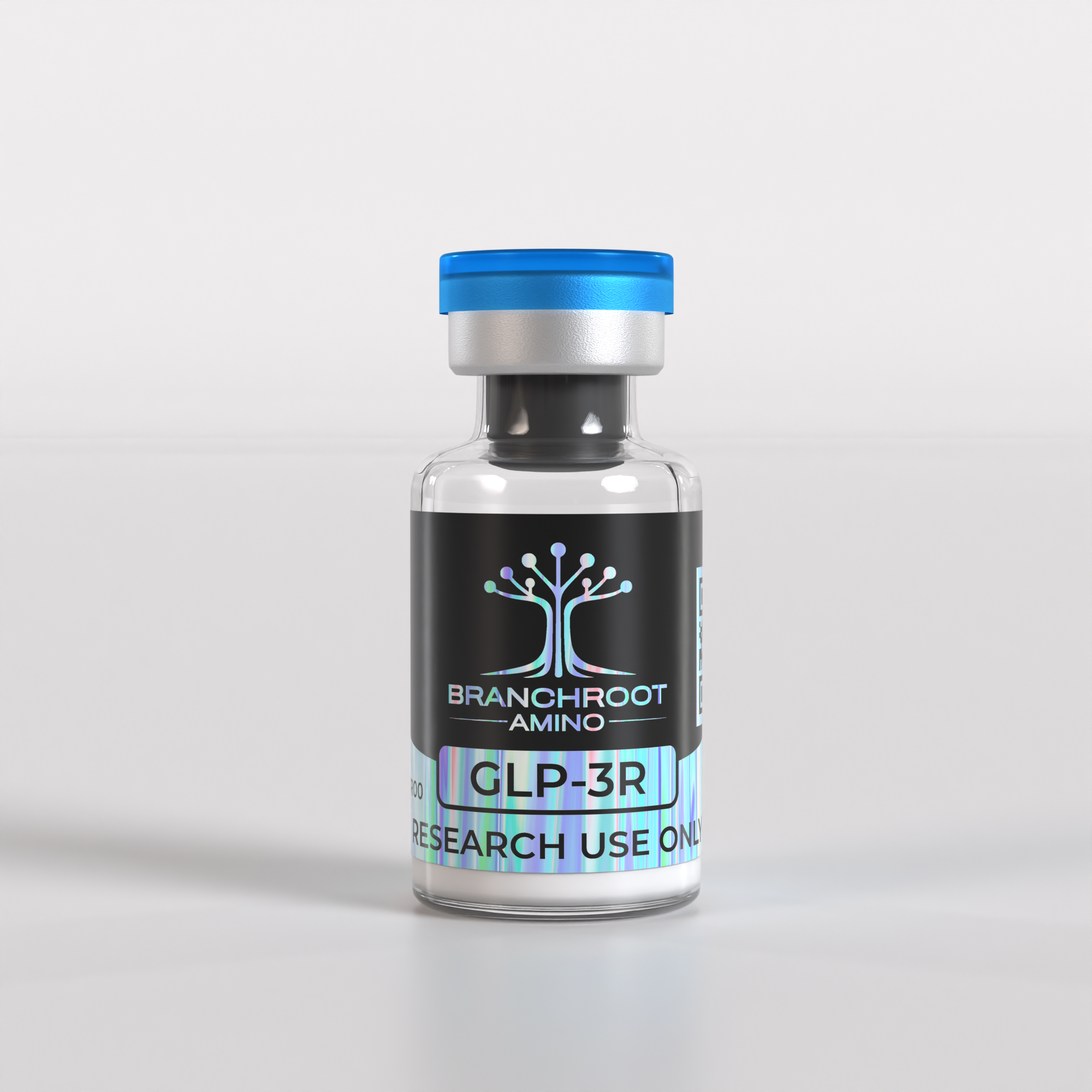
BA-3-RT (GLP-3R)
BA-3-RT (GLP-3R), is a multi-receptor investigational peptide utilized in advanced metabolic and receptor-signaling research, also known generically as retatrutide. Laboratory studies commonly examine GLP-3R in relation to glucagon, GIP, and GLP receptor pathway interaction, peptide-receptor binding dynamics, metabolic signaling cascades, and energy regulation mechanisms.
Researchers continue to investigate Retatrutide (GLP-3R) for its role in peptide stability, receptor selectivity, and downstream biochemical response within controlled laboratory environments.
Branchroot Amino Retatrutide (GLP-3R) is manufactured exclusively for scientific and analytical research applications and should always be regarded as such.
Below are detailed considerations for its research application.
Research Context
BA-3-RT (GLP-3R) plays a fundamental role in regulating gastrointestinal motility, secretion, and intestinal homeostasis. As a therapeutic target, GLP-3 has been extensively studied for its potential benefits in gastrointestinal disorders, metabolic regulation, and beyond. While GLP-3R agonists (e.g., semaglutide) are already established in clinical practice for managing type 2 diabetes and obesity, basic research into GLP-3R signaling mechanisms remains critical for advancing our understanding of gastrointestinal function and potential future therapeutic strategies.
Research Overview
The GLP-3 receptor is a member of the G-protein-coupled receptor (GPCR) family, primarily expressed in the intestinal endocrine cells of the L-cell lineage, which are responsible for producing peptide hormones such as GLP-1 and GLP-3. Ligand binding to GLP-3R triggers intracellular signaling cascades that modulate smooth muscle contraction, nutrient absorption, and hormonal secretion. Research in this area has focused on elucidating the molecular and cellular mechanisms underlying GLP-3R activation, as well as exploring its broader physiological implications in health and disease.
Key Research Focus Areas
- Gastrointestinal Physiology: Understanding GLP-3R-mediated regulation of intestinal motility, fluid secretion, and nutrient processing.
- Metabolic Regulation: Investigating GLP-3R contributions to glucose homeostasis and energy balance, particularly in the context of gastrointestinal hormones.
- Inflammatory Bowel Disease (IBD): Exploring potential roles of GLP-3R signaling in modulating inflammation and immune responses within the gastrointestinal tract.
- Neuroendocrine Interactions: Analyzing the interplay between GLP-3R and the enteric nervous system, including neural circuits involved in gut-brain communication.
- Developmental and Regenerative Biology: Investigating GLP-3R expression during intestinal development and its potential role in tissue repair mechanisms.
This peptide is provided for academic and research purposes only. It should be used in accordance with established protocols by qualified researchers adhering to institutional review boards, ethical guidelines, and applicable regulatory frameworks.
Important Compliance and Safety Information
BA-3-RT (GLP-3R) is intended solely for research purposes and must be handled with the utmost care.
Users are responsible for ensuring compliance with all applicable local, regional, and national
laws and regulations governing peptide synthesis, storage, and distribution. Users must ensure
compliance with all relevant regulations governing research materials, including those related to
biohazards, chemical safety, and experimental oversight. Proper handling, storage, and disposal
procedures must be followed at all times. Research institutions conducting studies involving GLP-3R
must adhere to Institutional Review Board (IRB) or equivalent
biosafety procedures, laboratory handling standards, and animal welfare protocols.
Due to its biological activity, GLP-3R requires proper containment measures,
sterile handling techniques, and controlled storage procedures to minimize contamination
and unintended exposure. GLP-3R is not intended for therapeutic or diagnostic applications
in humans or animals, and should only be utilized within a licensed research environment. Always consult
with a qualified researcher, laboratory supervisor, or academic institution before use. Responsibility for
proper experimental design, safety protocols, and documentation rests solely with the investigator.
For research use only. Not for human or animal consumption.
| Size | 10MG, 15MG, 20MG, 40MG |
|---|---|
| Quantity | KIT, Single Vial |
You must be logged in to post a review.

Reviews
There are no reviews yet.