
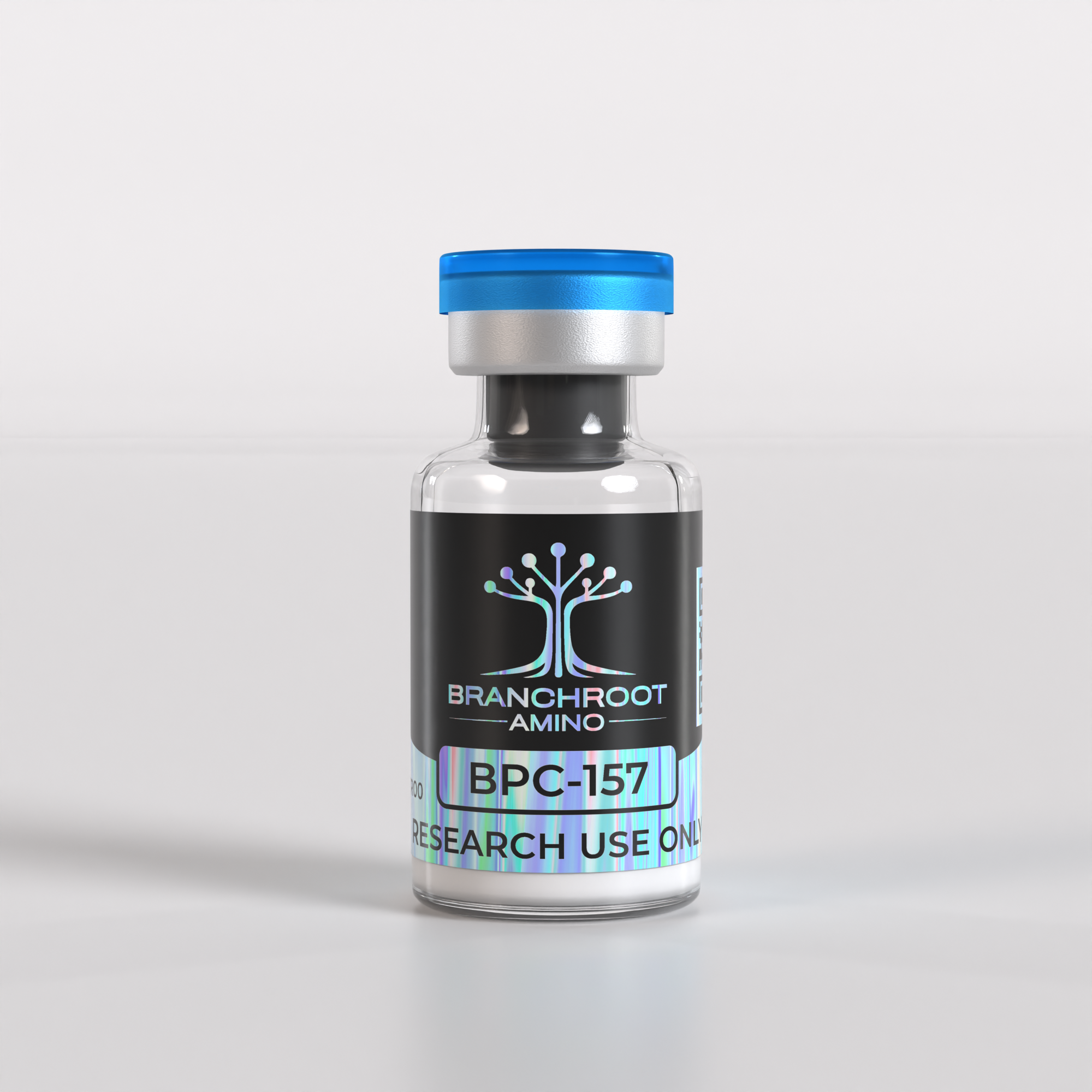
BPC-157
BPC-157 is a synthetic peptide derived from bovine gastrointestinal tissue that shares structural homology with endogenous human peptides. Below is an informative summary of its research context and applications within academic and laboratory settings.
Research Context
BPC-157 has been investigated in preclinical studies for its potential biological effects on tissue repair and regeneration. The peptide has attracted interest due to its ability to modulate various cellular pathways involved in wound healing, inflammation, and extracellular matrix remodeling.
Research Overview
The peptide BPC-157 has been studied primarily in animal models and in vitro systems to evaluate its effects on acute and chronic tissue injuries. While its exact mechanisms remain under investigation, research suggests it may enhance healing through the upregulation of anti-inflammatory cytokines, promotion of tissue regeneration, and reduction of fibrosis.
Key Research Focus Areas
- Wound Healing: Investigated in preclinical models for its potential role in accelerating cutaneous and gastrointestinal healing under conditions of trauma or injury.
- Inflammatory Response: Explored for its modulation of pro-inflammatory mediators and its potential to reduce chronic inflammation in experimental settings.
- Extracellular Matrix Regulation: Studied for its influence on collagen deposition and tissue remodeling, particularly in degenerative or damaged tissues.
- Neuroprotection: Assessed in animal models for neurogenic effects, including potential benefits in acute spinal cord injury scenarios.
Important Compliance and Safety Information
BPC-157 is intended solely for research purposes and must be handled with the utmost care.
Users are responsible for ensuring compliance with all applicable local, regional, and national
laws and regulations governing peptide synthesis, storage, and distribution. Users must ensure
compliance with all relevant regulations governing research materials, including those related to
biohazards, chemical safety, and experimental oversight. Proper handling, storage, and disposal
procedures must be followed at all times. Research institutions conducting studies involving BPC-157
must adhere to Institutional Review Board (IRB) or equivalent
biosafety procedures, laboratory handling standards, and animal welfare protocols.
Due to its biological activity, BPC-157 requires proper containment measures,
sterile handling techniques, and controlled storage procedures to minimize contamination
and unintended exposure. BPC-157 is not intended for therapeutic or diagnostic applications
in humans or animals, and should only be utilized within a licensed research environment. Always consult
with a qualified researcher, laboratory supervisor, or academic institution before use. Responsibility for
proper experimental design, safety protocols, and documentation rests solely with the investigator.
For research use only. Not for human or animal consumption.
| Size | 10MG |
|---|---|
| Quantity | KIT, Single Vial |
You must be logged in to post a review.

Reviews
There are no reviews yet.